Bambu Lab X2D
Xcellence made simple


Why Choose Bambu Lab X2D


Dual nozzle
Multi-material made simple.


Servo Extruder
Smooth surfaces at full speed.


Dual-intake cooling
Crisp details.


Active heating.
Stronger parts.


Adaptive Calibration.
Lasting precision


AI Monitoring
Your built-in backup.
Dual Nozzle System.

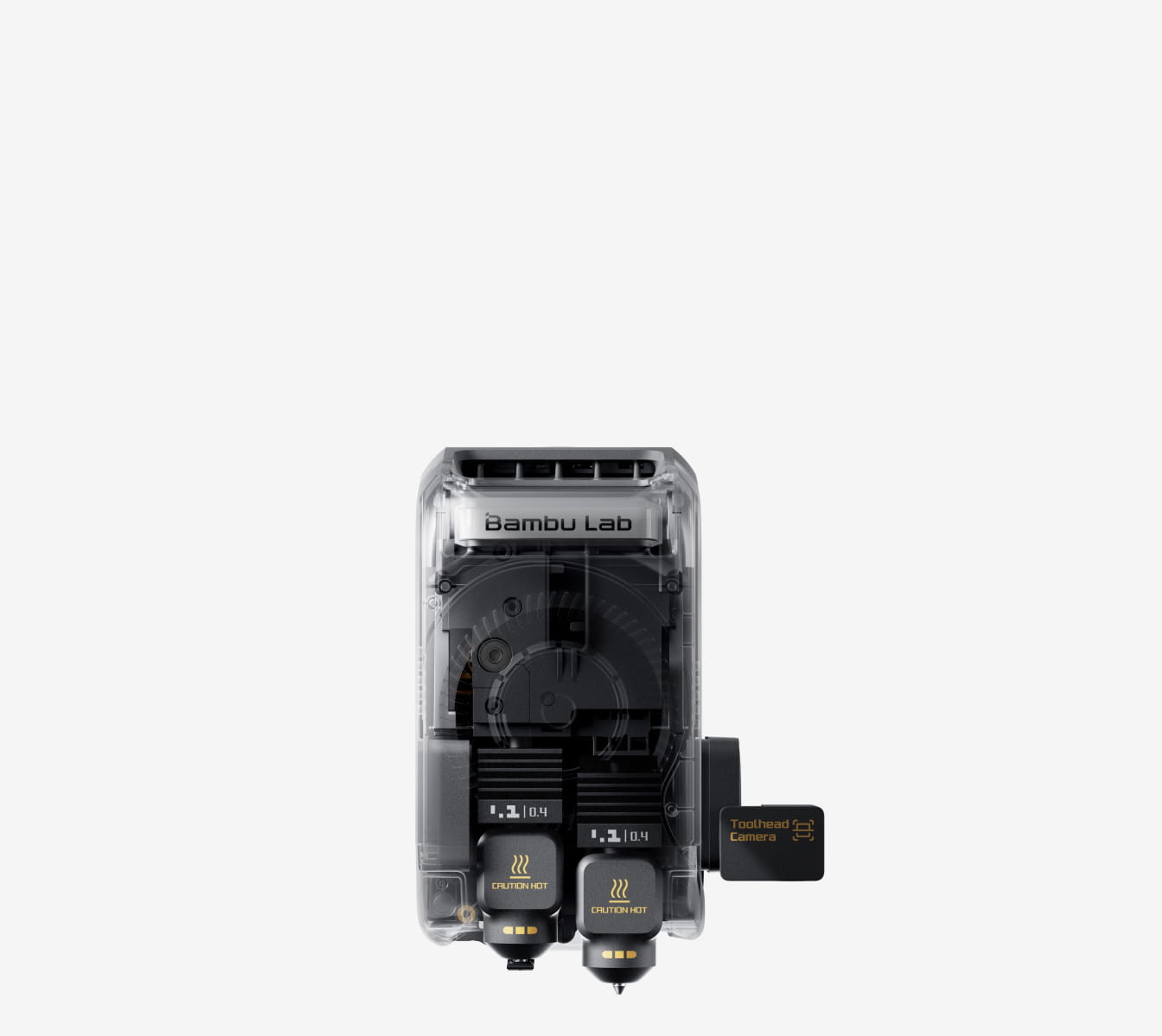
Stop overthinking with support - start peeling it off clean.
The main nozzle prints the part. The auxiliary nozzle handles the support¹. X2D hands all the messy support work to a helper nozzle with its own material. Wrap steep overhangs, fabric folds, and internal channels with full support, then peel it away clean.

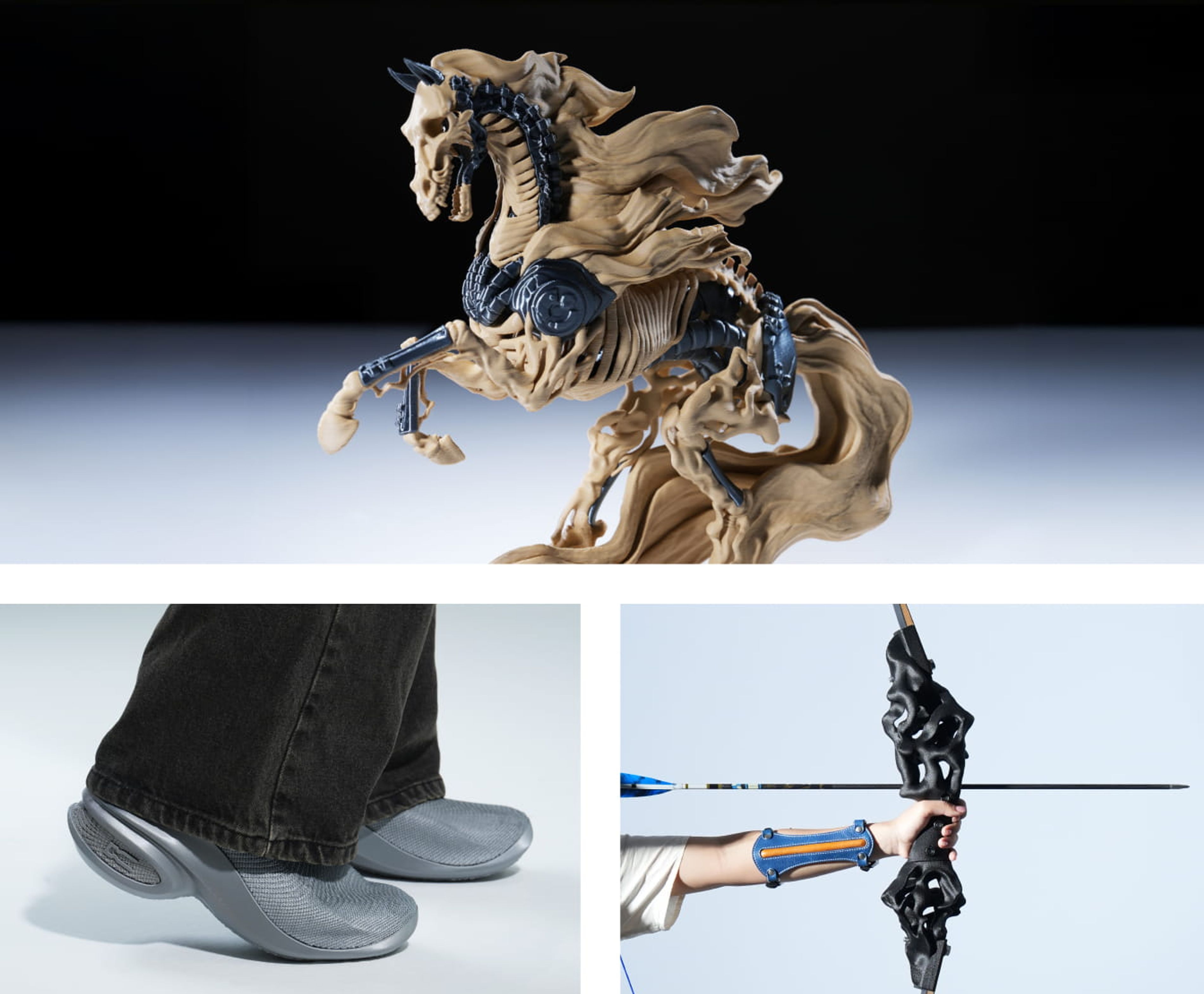
Add more color, more details and more fun.

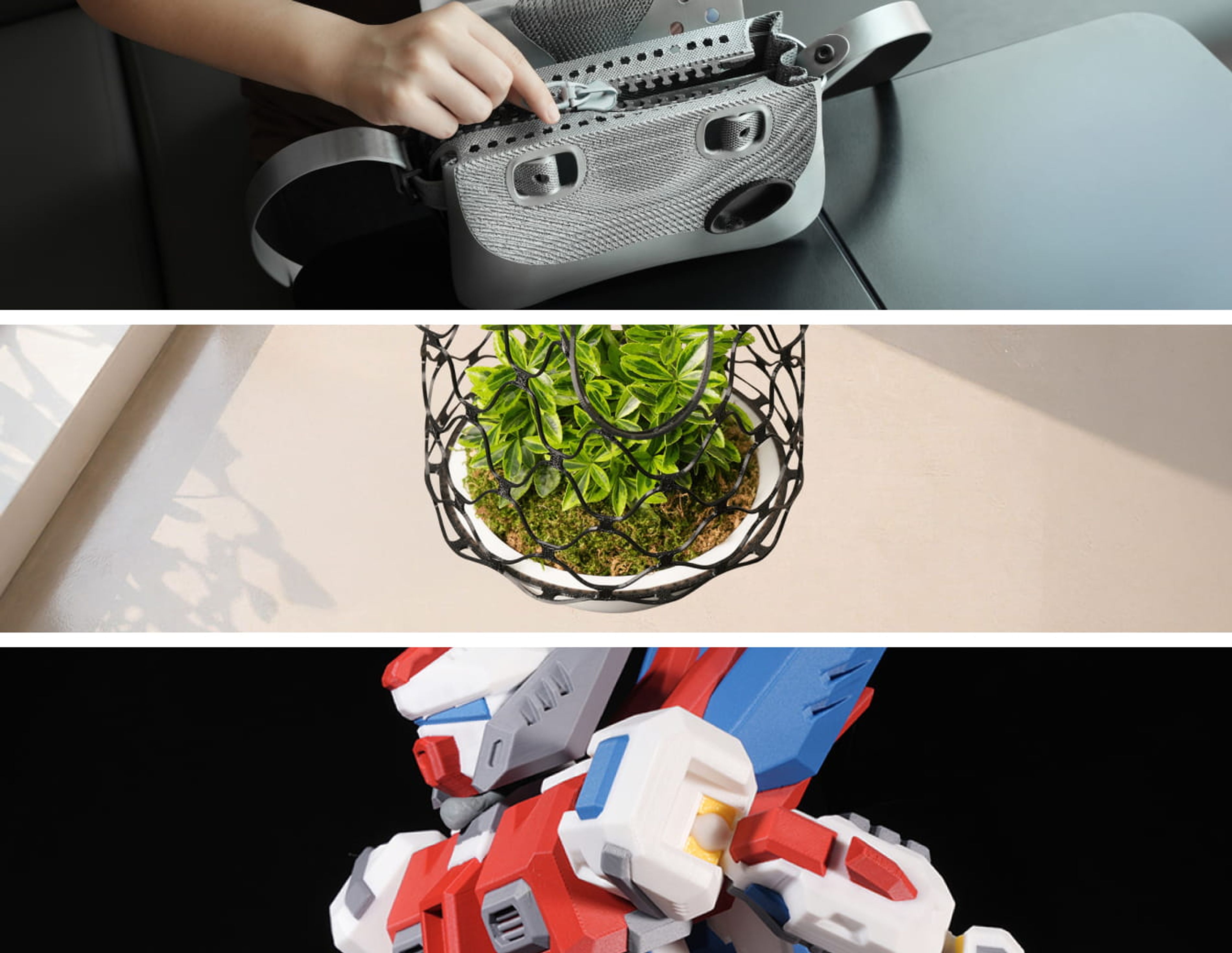
Add more color
Fuse PLA and TPU in a single model. Create bags, grips, and bumpers that come off the bed ready to use.
Dual nozzles swap in a split second. Enjoy faster color changes, cleaner transitions, and far less waste².
Finer. Sharper. True to the design.

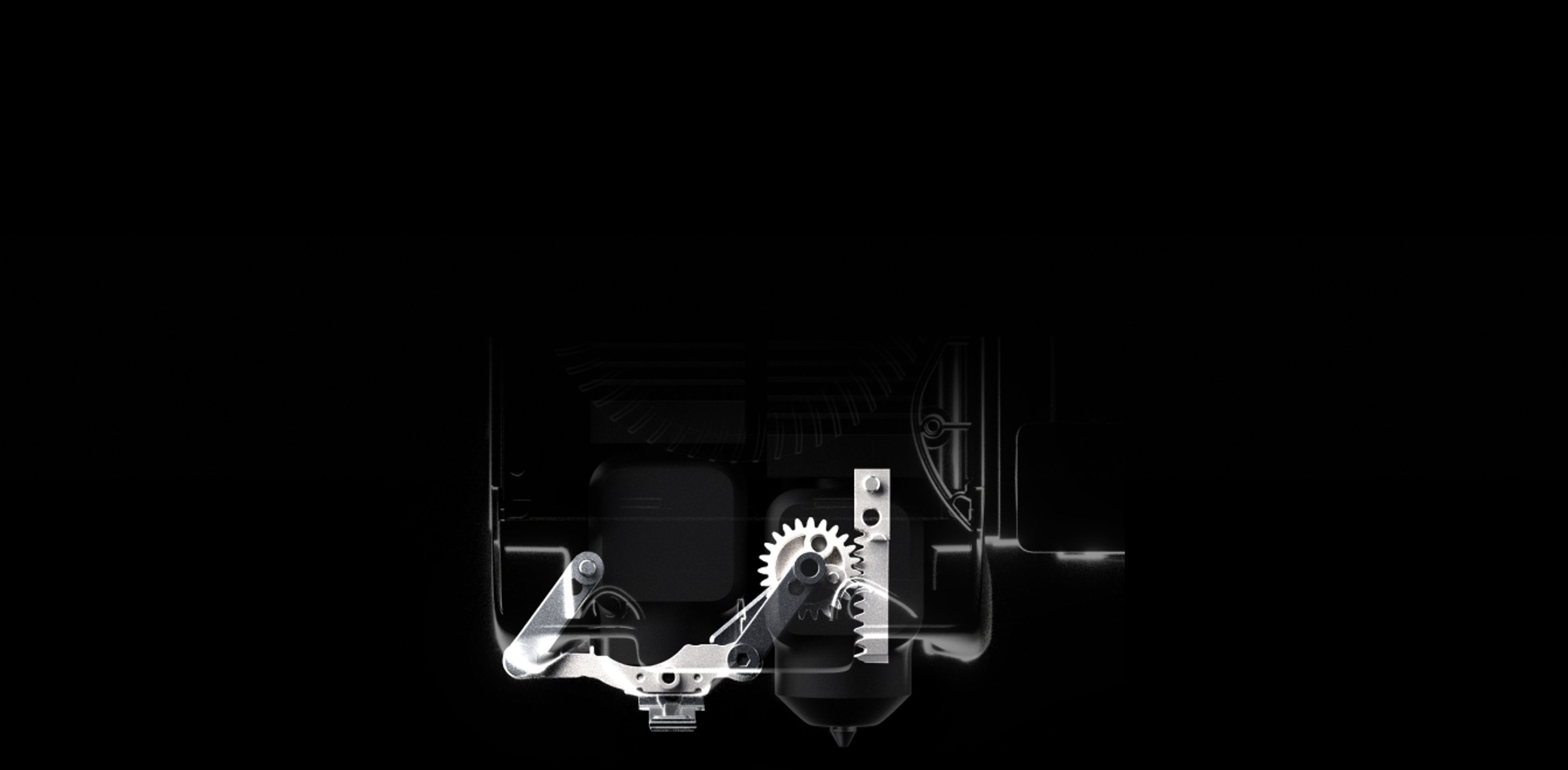
Tap. Switch. Done. Unlike traditional motor-driven systems, X2D packs a Gear-and-Trigger mechanism into the toolhead. The nozzle-change lever taps the trigger arm, driving an internal gear train to change the nozzle. No extra weight. Just a clean swap.

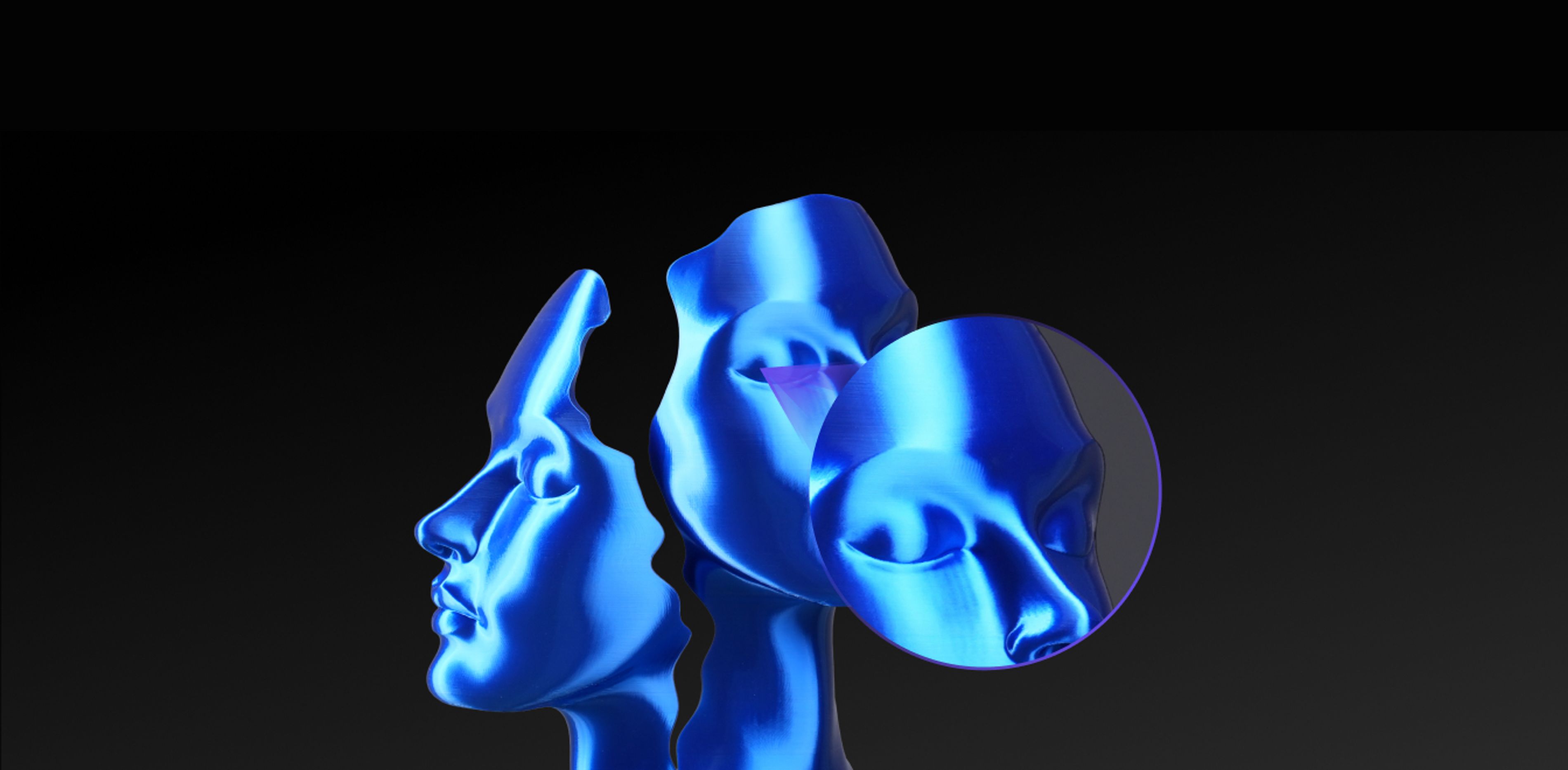
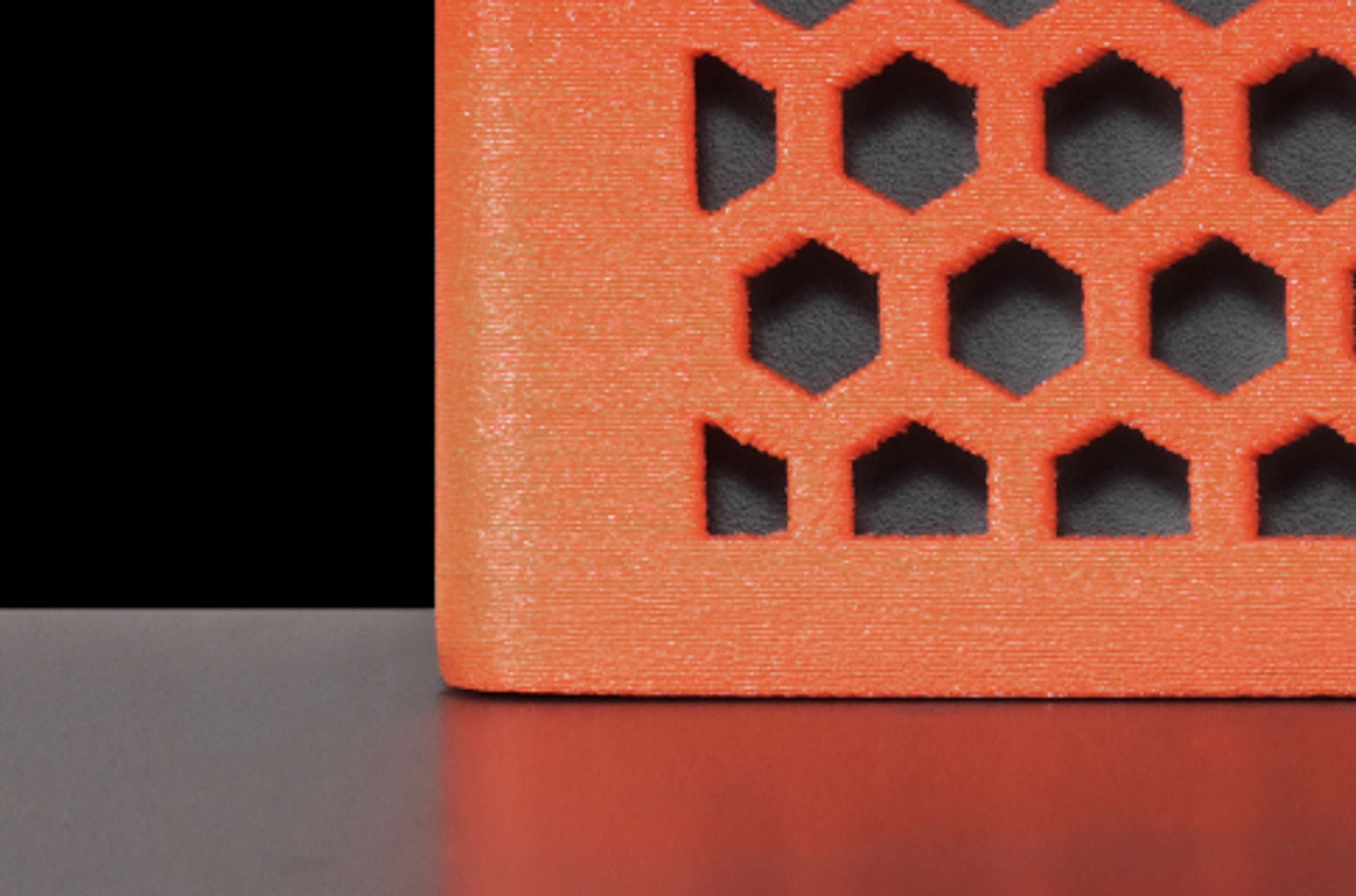
A lighter toolhead means less inertia and vibration. Even at full speed, surfaces stay flawless - all the way to the top.
Cool it. Before gravity makes it droop.
Two intakes are always better than one. Freshly extruded filament is soft, but the X2D instantly flushes the chamber with cool air from dual left and right intakes. This constant air exchange stabilizes each layer for low-temperature filaments like PLA, cooling every line at exactly the right moment. So even on tricky angles, overhangs stay sharp and bridges stay clean.

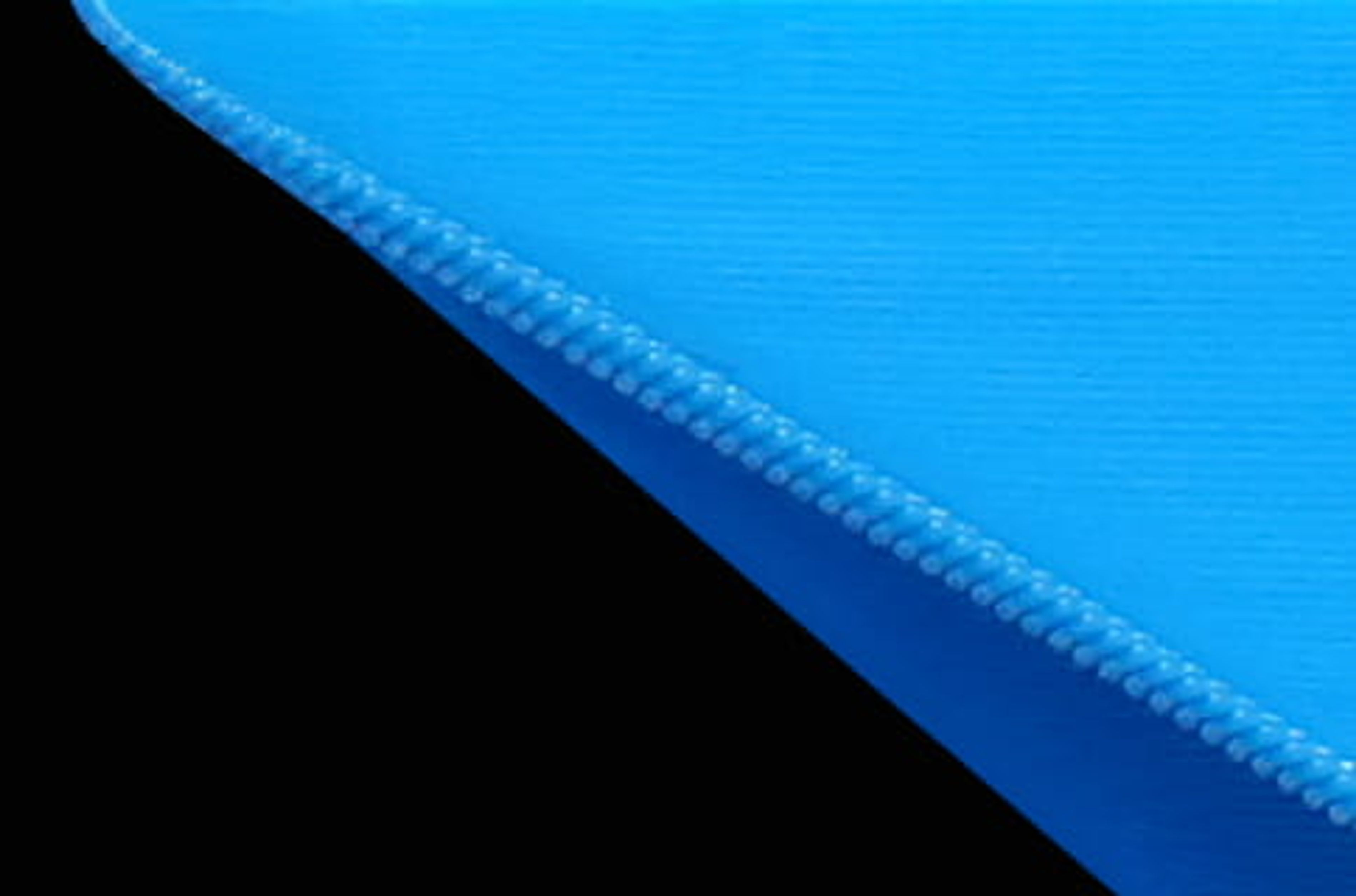
Calibration adapts to wear and material changes.
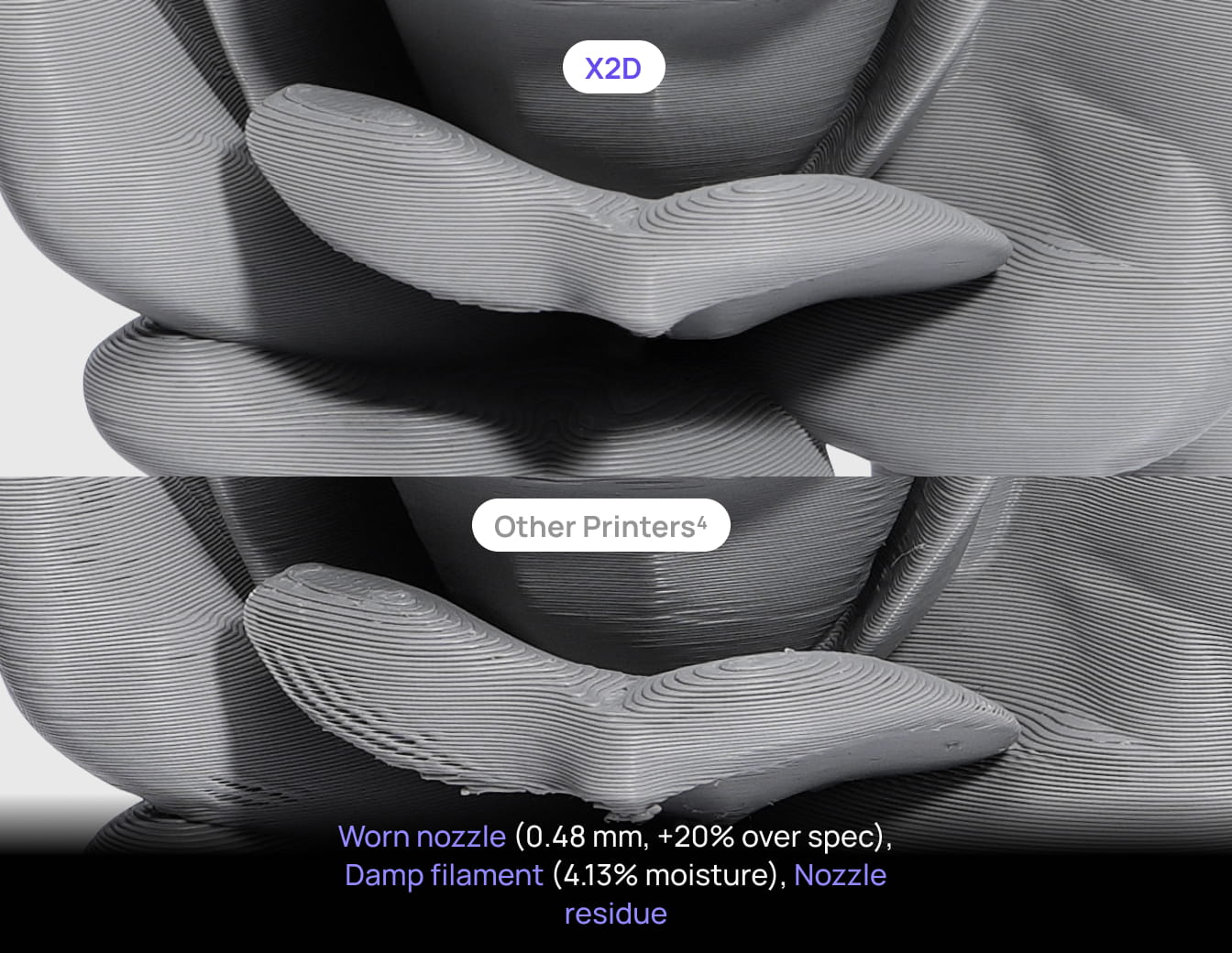
Most printers calibrate flow with a single K factor and use it in all scenarios. Bambu Lab doesn't. Flow Dynamics Calibration³ builds a time-varying, nonlinear model of your entire extrusion system. So whether there's minor residue inside the nozzle, gradual nozzle wear, or slightly damp filament, the system detects, calibrates, and compensates. Smooth surfaces and sharp edges stop being luck. They repeat.

Compensation makes corners sharp and details clean.
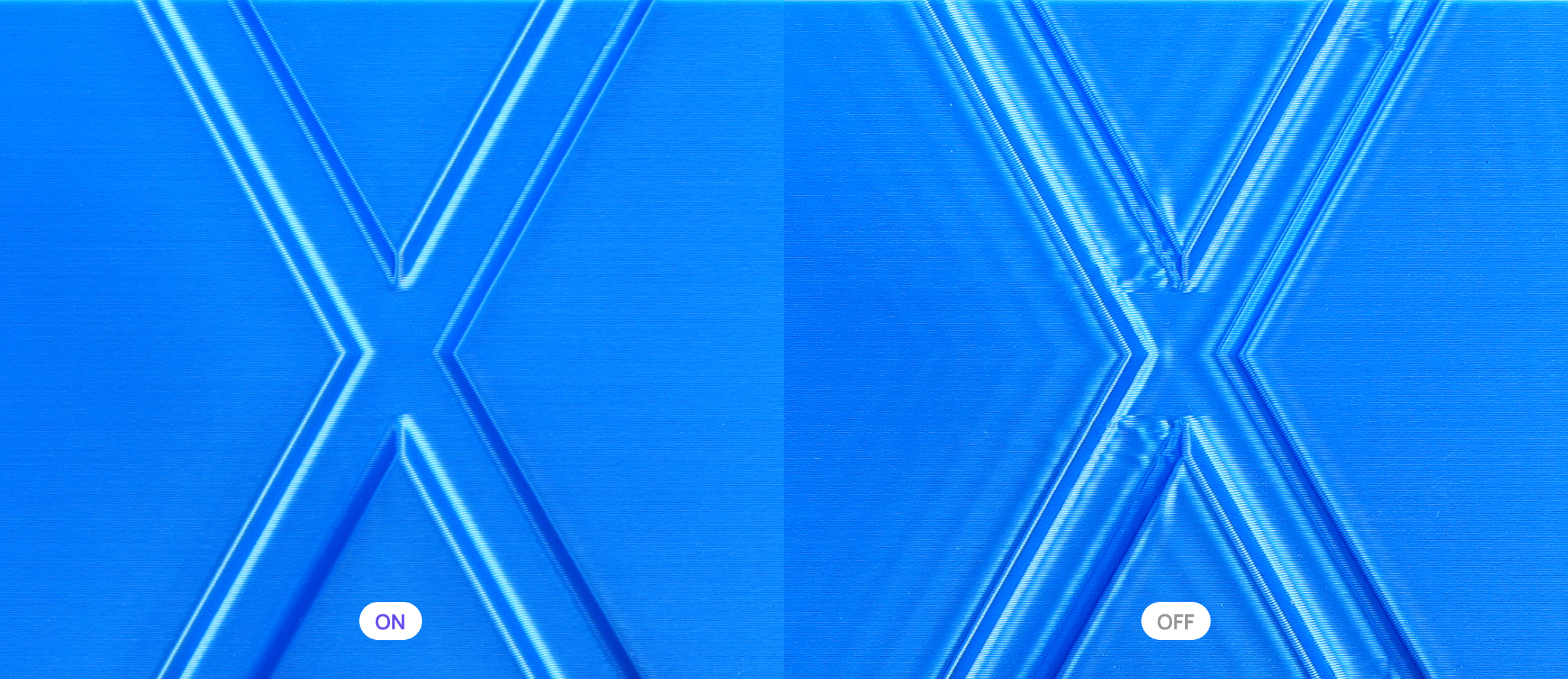
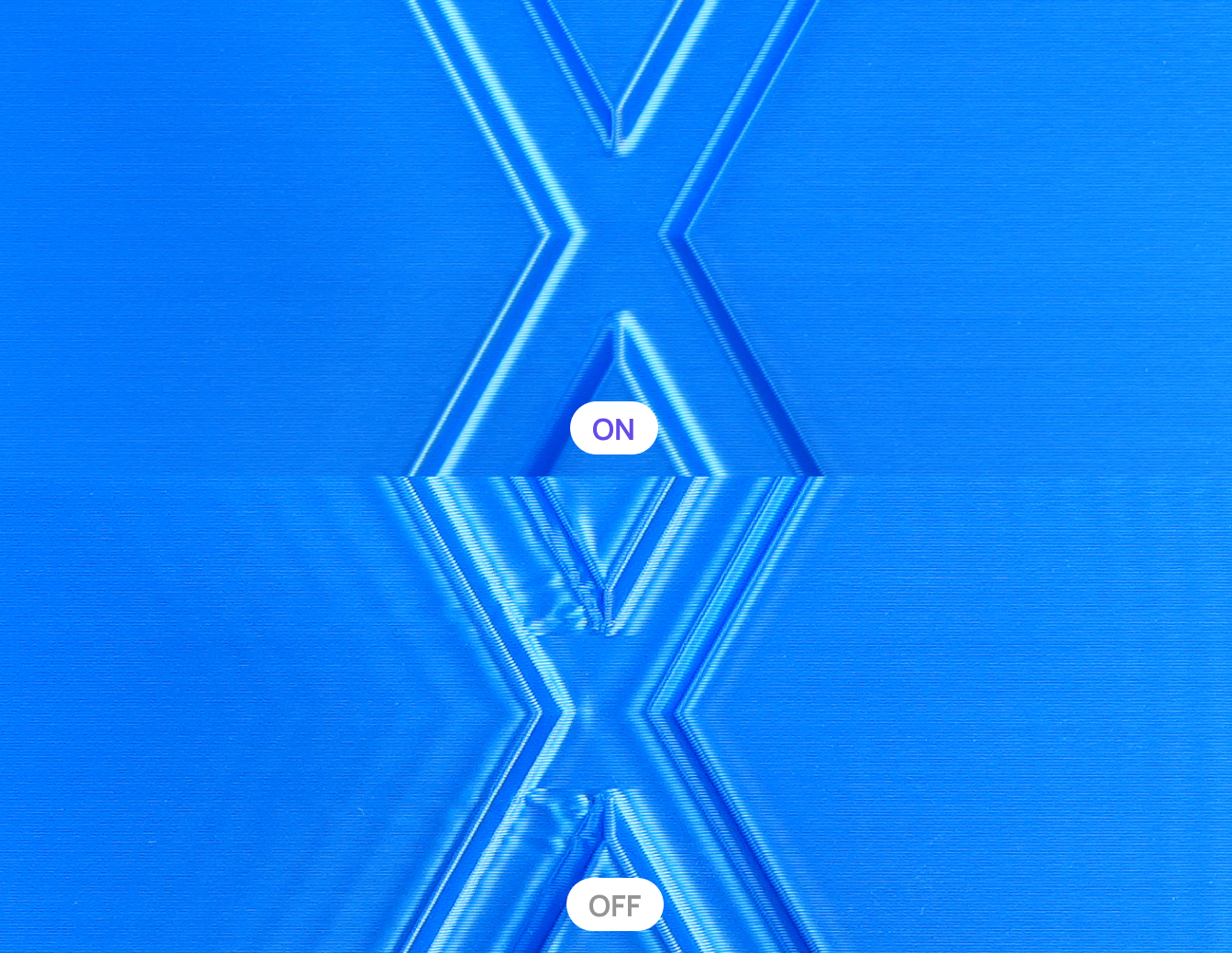
Ringing and ghosting blur edges at high speed. Active Vibration Compensation cancels them in real time - so edges print crisp, no matter how fast.
AI Camera keeps an eye on your prints.
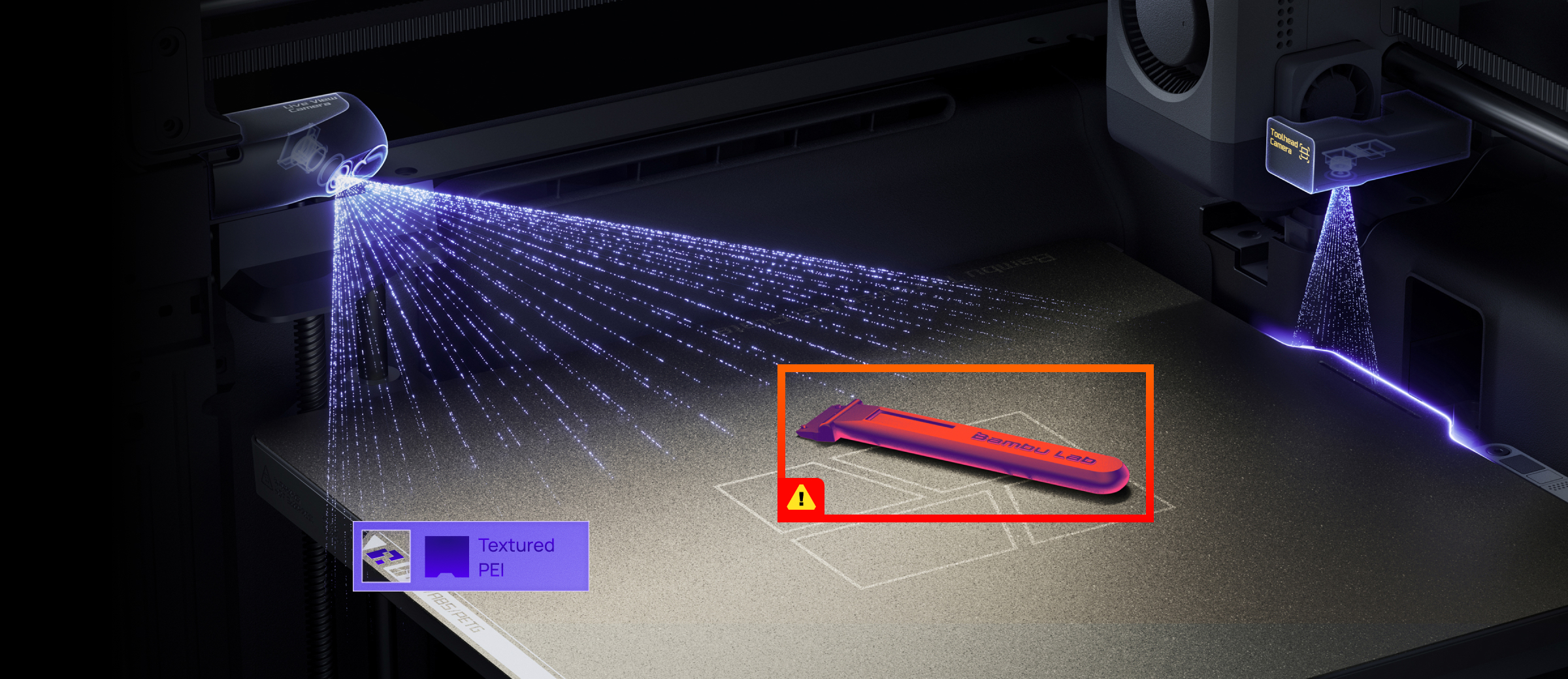
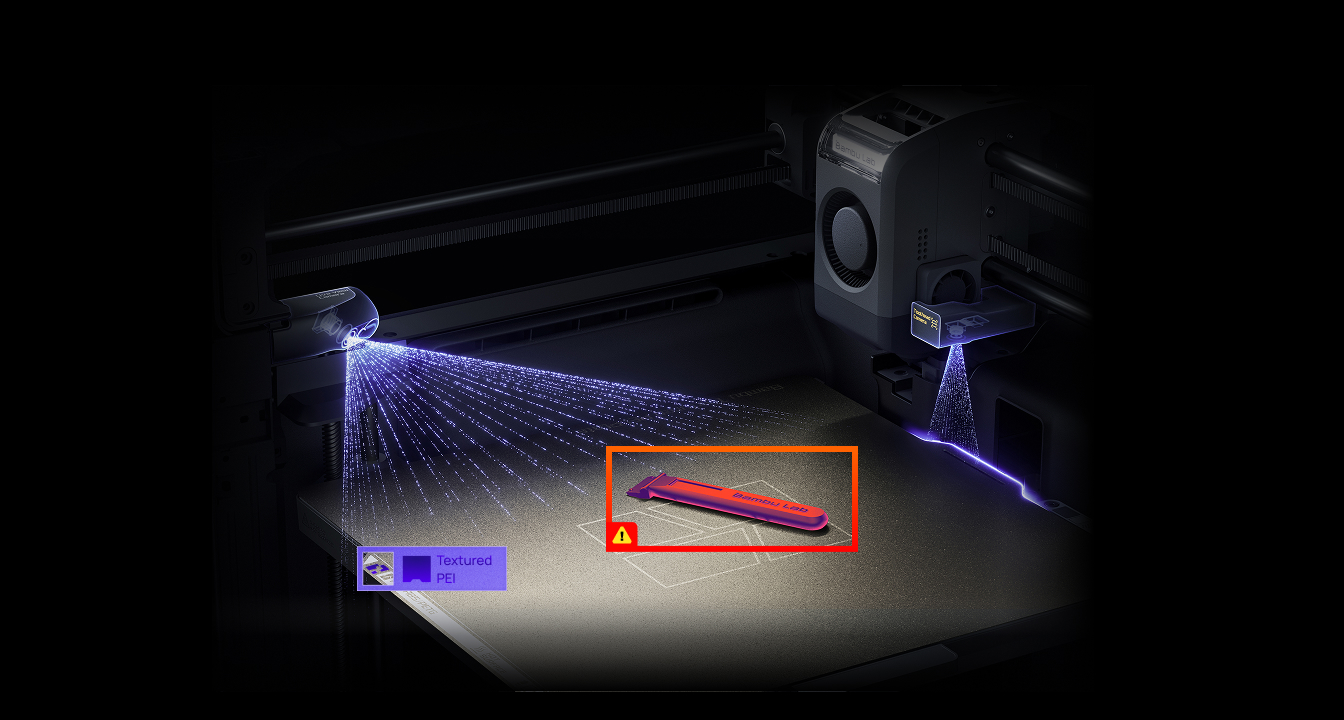
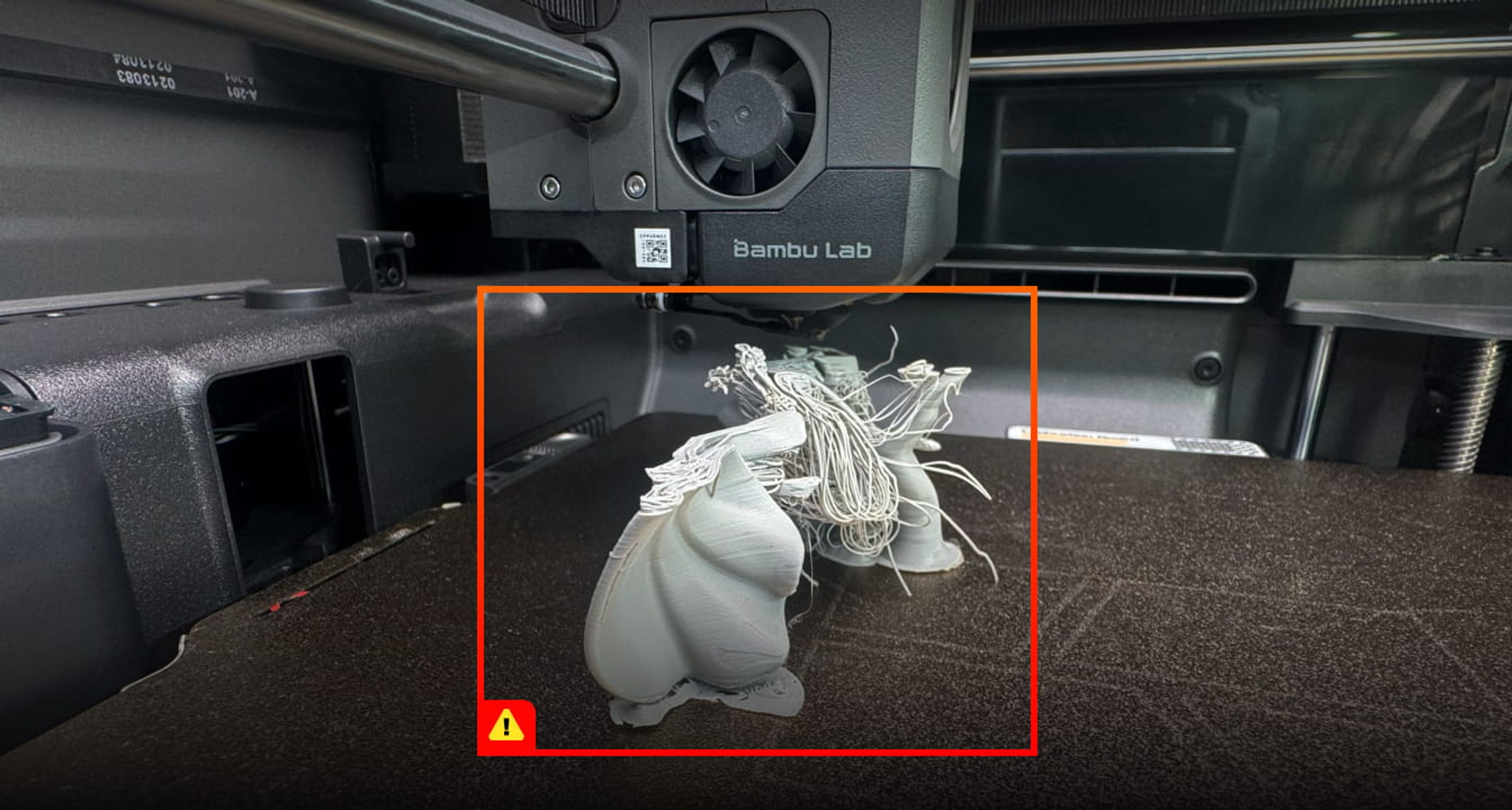
Before printing, the AI Liveview Camera and Toolhead Camera scan the build plate for debris and verify plate placement. During printing, they watch for spaghetti, nozzle clumping, and purge-chute jams in real time - pausing the job before it wastes hours of time and filament.

Unboxing Video